



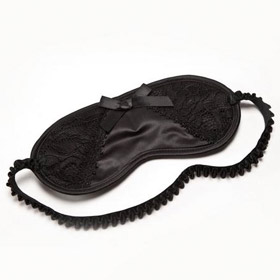
An Introduction to BDSM

The Ann Summers Guide to the BDSM Basics.

An Introduction to BDSM

More people are talking about bondage and BDSM than ever these days, and we love it. But just like with anything that suddenly gets popular overnight, there's loads of misconceptions and bad information out there. There's way more shades to BDSM than you might expect. Let Ann Summers grab you firmly by the collar, and steer you round the corners…

Working out the kinks

We can't really talk about BDSM without first mentioning the wider world of kink, and the easiest metaphor to use is the classic ice cream one.

Regular sex is vanilla –the delicious standard. But kinks are the other flavours. Not just your Neapolitan block, either – we're talking the full range of rich and creamy Italian gelato. Dozens, even hundreds of flavours that just make things that little more exciting. It could be high heels. It could be sex outdoors. It could be bondage. Costumes. Role play. Threesomes. You name it. BDSM is just one of the most common, exciting, and involved types of kink.

"Fetish" is another word commonly used for kink, but it sort of has a stronger meaning – it implies a psychological need for the extra flavours in order to be aroused. Kink is a little bit softer – vanilla is fantastic, and you don't necessarily need your kinks to get off, but things are just that extra bit of fun when you mix it up.

Kinks are the extra flavour. The icing on the cake. The cherry on top. You get the idea.

Is it weird?

No! If there's one thing we stand for at Ann Summers, it's owning your own sexuality. Having kinks is totally normal – anyone who says they don't have one, even a tiny little something that just pushes them over the edge, is probably lying. It's a cultural thing. We just don't talk about it.

But to be honest, as long as your kinks are legal, don't hurt anyone, and you engage in them consensually, then there is absolutely nothing weird or wrong about them. At all. So embrace them – you won't regret it, honey.

Of course, oversharing the details of your sex life is a bit delicate – if someone feels like you're indirectly trying to involve them in your kinks when they're not exactly willing, it can make them uncomfortable. TMI.

But on the other side, if someone ever shares a kink with you, and your instinct is to freak out or show your disgust, that's also not very nice. Making someone feel bad or ashamed of the things they like to do is called "kinkshaming", and as long as their desires are safe, legal and consensual, we're 100% opposed to such behaviour.

If someone trusts you enough to share details of what turns them on, that's a big deal. And if it's your partner revealing their kinks to you, that's a huge declaration of trust. Even if you're not into it yourself, be encouraging. "It's not for me, but babe, you do you." But keeping an open mind, and helping your partner indulge in their kinks, is an incredible way to come together. Go on, give it a try – you might like it…

Defining BDSM

So what, actually, is BDSM? If you carried out a poll of the nation, you'd probably get the popular image of the classic whips, chains and leather dominatrix, and not much more. But it actually means a lot of things – even the individual letters themselves.

BDSM can be broken down into three core concepts. Prepare to take notes, there will be a test…

The BD bit stands for Bondage and Discipline.

Bondage means being tied up, or tying someone up. Ropes, cuffs, restraints, tape, whatever you've got.

Discipline means making rules, and having punishments for not meeting them – whether it's spanking, humiliation, restraint, or whatever creative torments you can come up with.

The DS bit, usually written D/s on its own, stands for Dominance and Submission.

Whether you're just playing at D/s for the night, or living in a full-time D/s relationship (more on that later), one person – the dominant, or top, or dom, or domme, or master, or mistress, or whatever you want to be called – is in control, tightens the restraints, and dishes out the punishments.

Another person – the submissive, or sub, or bottom, or slave, or any other term of endearment that feels right – is controlled. They get tied up, or spanked, or made to cater to the dominant's whims. But in reality, the submissive partner is really the one in control - it's the submissive that sets the limits of how far they can be pushed, and their limits need to be respected above anything else. It's not a case of "what the dominant says, goes" at all.

And, of course, some deliciously kinky people like to have it both ways – that's called switching. Whether a switch is in a dominant or submissive mood will depend on the type of play, who they're with, the day of the week… just about anything. Switches definitely have the most fun.

Finally, SM – or S&M on its own – stands for Sadism and Masochism. Sadists take pleasure from hurting others, masochists take pleasure from being hurt. Sadomasochists like both. Greedy things.

BDSM-lovers tend to use the word "scene" to describe their activities – when you're doing BDSM stuff, you're in a scene. This comes from its performance roots in fetish clubs and porn, but today it's just a useful shorthand to describe a whole bunch of things, and remind everyone of the boundaries with real life.

In a scene, all of these things overlap oh-so-nicely, but you can enjoy some without the others – for example, you could like being tied up without the power dynamic, or you could like submitting without enjoying pain. It's ok to pick and choose – no one should be made to do things they really don't want to do. A lot of BDSM play has an element of force to it, but it should remain exactly that – play. It's a fantasy, after all.

Trust, Consent, Safewords and Boundaries

The most important thing about BDSM is consent and trust. Even if your BDSM fantasies involve being forced to do things, boundaries of what's ok and what isn't need to be agreed beforehand.

Having limits and boundaries is ok – everyone has them – and anyone who tells you otherwise is not someone you want to hand over the keys to your cuffs to. If you're new to BDSM, don't feel pressured to go along with what your partner wants just because they're more experienced, and they tell you it's the right thing to do. If you don't like something, why do it? This is supposed to be fun, after all…

When you take on a submissive role, you hand over a massive amount of trust to the dominant partner – they are basically responsible for your body, mental health, and all-around wellbeing in a scenario that could possibly involve restraint and pain. Trusting your partner is essential in BDSM, and talking about what you want out of it is really important to make sure that everyone stays safe.

One of the best safeguards is a safeword – a word or phrase that's basically an off-switch for a scene. In the heat of the moment, or as part of a roleplay, you might say "no" or "stop" when you don't actually mean it, so pick something weird enough that you'll remember it, and that you'd never have the need to say it in the middle of a scene.

You might also need to agree non-verbal safewords for when gags come into play. Holding onto a set of keys to drop when it's time to stop anything that'll make an attention-grabbing noise, really – having a pattern of sounds you can make through your gag, or even humming a tune will all work.

Safewords, limits and boundaries need to be respected above everything else. They're not just for the sub, either – dominant people can have things they'd really rather not do, no matter how much their submissive wants them to. Remember to respect that, without shaming people.

Pain

BDSM doesn't have to hurt. You can enjoy being tied up, given orders or chores, called names, walked like a dog, whatever. There's literally infinite ways to play, and pain is just one of them.

But why would anyone enjoy pain? Well.

Do you ever do anything that involves at least some discomfort – running, weightlifting, slam-dancing, getting tattooed – but… sort of feels good? That release of adrenaline that just gets you fired up? That's how pain and pleasure mix together in the world's most disorientating cocktail.

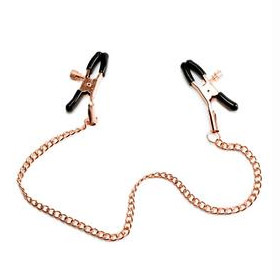
There's more than just one kind of pain. Some of it's good pain, some of it's bad pain. We're sure no one's ever got off over having kidney stones. That's generally considered bad pain. But different people will have different ideas of what pain is good and which pain is bad. Spanking is the most common kind of pain-play, and one that the most people will probably get pleasure from. But some people might be more into a kick in the balls than others. Back-scratching, hair-pulling, face-slapping, nipple-clamping, wax-burning, skin-pricking pain will appeal to different people in different ways. Everyone has different pain thresholds, too. It’s common for some people to orgasm whilst getting tattooed on their lower back, while some people cry – we’re all different!

Just take things slow, and find where your limits are. If pain's not for you, then that's ok. There are so many other ways to get your kicks…

Gentle Introductions

Your deepest, darkest fantasies might make you want to dive in headfirst, but reality's a little different. If you're unsure about how much you'll actually enjoy BDSM in the flesh, your first experiences should keep things simple before you ramp up the intensity once you know it's for you.

As well as adding irresistible stroking sensations, gloves will help soften the blow of spanking, helping you get used to the feeling and impact before you experience the unbeatable sting of skin on skin.

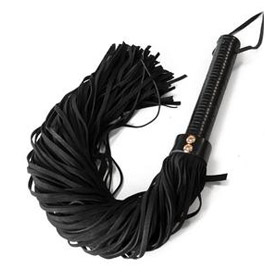
Ease yourself in with the Feather Tickler Two-Ended Whip, which features a tickler at one end and a soft, broad crop at the other. Floggers look intimidating, but actually provide a much gentler impact than you might expect. Paddles spread out the impact and give you complete control over how hard or soft you slap.

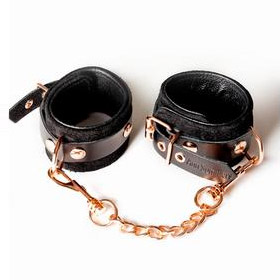
When it comes to bondage, start out with simple ties, cuffs and collars to get used to the methods and feelings involved with being restrained, before going for the more serious restraints.

As well as being less intense, our recommendations for the BDSM apprentice are also nice and affordable, perfect for experimenting.

Aftercare

Even the busiest billionaire bondage-lover should make time in their schedule for aftercare. BDSM play releases a ridiculous amount of adrenaline and endorphins – it's like being in a heightened state of awareness. Once the scene's over, it may be hard to get out of the dominant or submissive headspace, or recover emotionally from the scene. It's called a "drop", because that's literally how it feels. A sharp drop in your mood shouldn't be confused with guilt or shame – it's just your body coming crashing back to reality.

You should always take time to cuddle up and recover. Talk about it – what you liked, and what you didn't like about the scene. Sooth any sore spots, get re-hydrated. Indulge in some soothing vanilla action. Comfort each other, and get ready for round two.

Lifestyle and Events

How deep down the BDSM rabbit hole you go is entirely up to you – but for some people, it goes beyond the bedroom and becomes more of a lifestyle. If someone refers to themselves as "Lifestyle" or "24/7", it means their dominant or submissive persona doesn't disappear once a scene's over, and if they're in a relationship it might form the basis of that relationship – especially the sexual side.


This doesn't mean they're wearing latex and chunky leather collars around the clock – but they might wear a piece of more publicly-acceptable jewellery that subtly displays their status, and have simple rules they have to follow in their day-to-day life. Diet, exercise, responsibilities around the house, responding quickly to text messages – just things that let those elements of power exchange and control seep into the everyday.

A big part of the BDSM lifestyle is events – though no one will look down on newcomers or more casual fans for coming out to them. If they do, they're the ones with the problem – the BDSM community prides itself on being welcoming as long as people are respectful to everyone else involved.

Different kinds of events include conventions and fetish fairs, as well as BDSM nightclubs, which can be a great way to explore what's out there and meet people in a more casual setting – you can get involved as much, or as little, as you like, providing you ask permission.

Play parties are a little more serious, and are set up purely with getting stuck into scenes in mind, rather than the more social aspect of clubs.

But if you're curious about the community and lifestyle as a whole, munches are a fantastic place to start exploring. Munches are get-togethers in bars, coffee shops, and other social spaces around the world, where you can meet up to socialise with other kink-minded people. BDSM play and clothing is usually a no at this sort of event – it's much more casual.

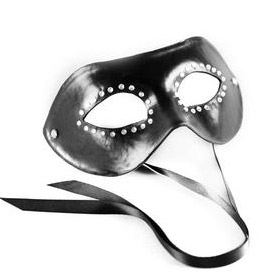
How you play with BDSM or aspects of this sexual genre, is totally up to you. Start slow by experimenting with sensation play and check out our Bondage category to get inspired. Ticklers, floggers, whips, paddles, crops, restraints, clamps and masks…the only question left is, what will do it for you?